
Is Your Team Burning Out? Here Is How to Fix the Problem
Summary: Think about the last few weeks in your business. Has someone stayed late to get something finished? Stepped in because a deadline was getting too close? Picked up something that really wasn't theirs because someone had to get it done?
If the work keeps getting finished, you may look at the week and think, "We handled it." Your team probably did. The question is what it took from them to make everything work.
When those extra pushes become the norm, I would pay attention. Why does your business keep needing someone to step in, stay late, or carry a little more just to get through the week? The answer may tell you a lot more about burnout than the finished work ever will.
https://youtu.be/NvvGz8WP8oU
https://youtu.be/NvvGz8WP8oU
When the Team Starts Covering the Gaps
It's 5:00 p.m., and your meeting is finally wrapping up with a plan in place. To hit the deadline, one of your people has agreed to finish revisions after dinner. Another is waiting on your approval before they can move. You still have a client question to answer, plus an expense to confirm before the day closes.
There's relief in knowing the work will get done.
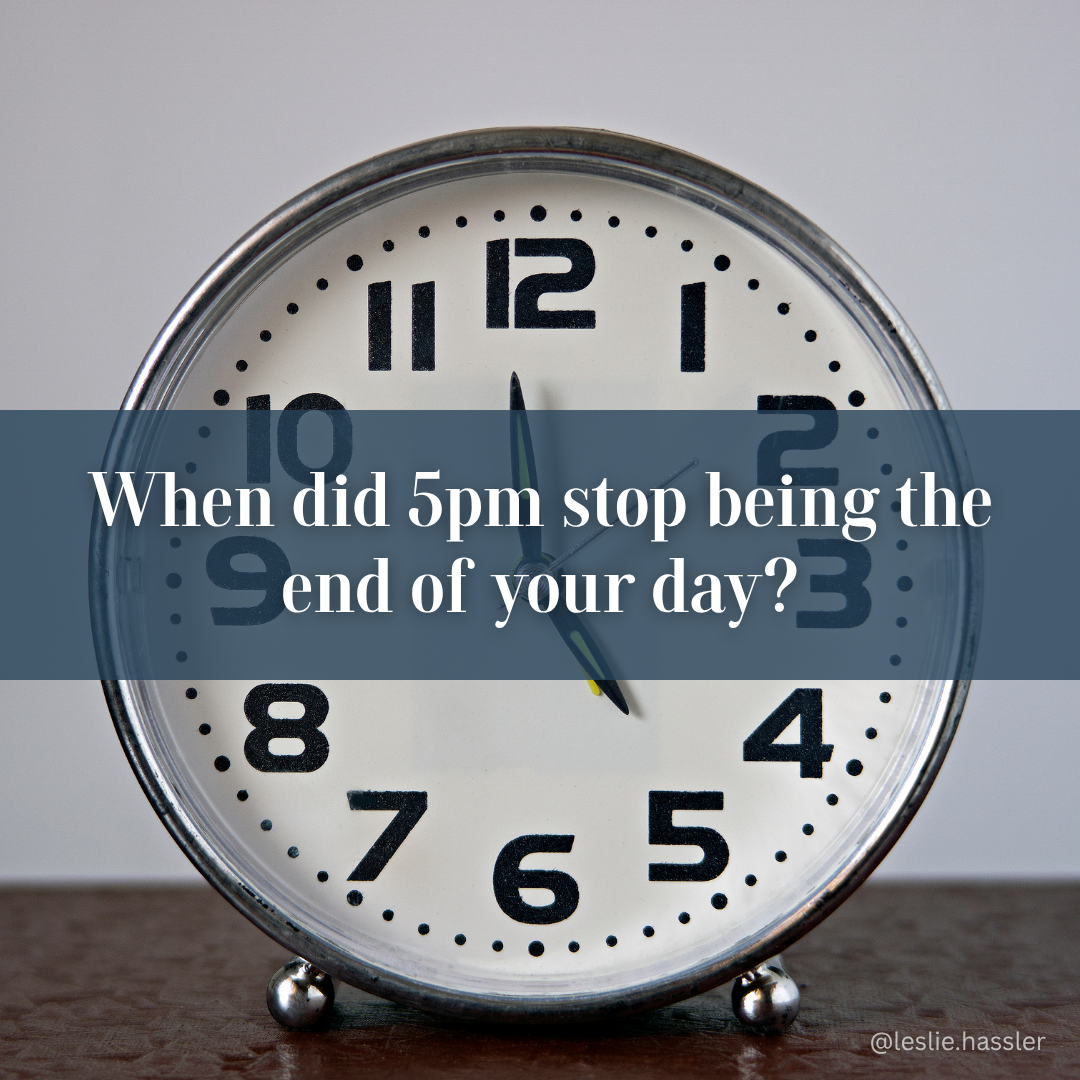
The problem is that the late nights keep happening. Someone on your team worked after hours last week, and the week before that. What once felt like an isolated push to get all the work done is becoming part of a normal week, routine instead of rare.
Your team cares enough to keep the work moving and protect the client experience, so they jump in wherever you need them, again and again. The problem is that they're getting burned out, and they don't know when relief is coming.
Their willingness to help also hides the true condition of your business.
You may have simply outgrown the way work gets assigned, communicated, and managed. What you need now isn't more effort. You need a structure that can support the business you have today.
Don't Just Pass the Burnout Along
When you see your team stretched thin, it is natural to try to relieve the pressure quickly. You may step in and do some of the work yourself or shift unfinished work to whoever has the most capacity that week.
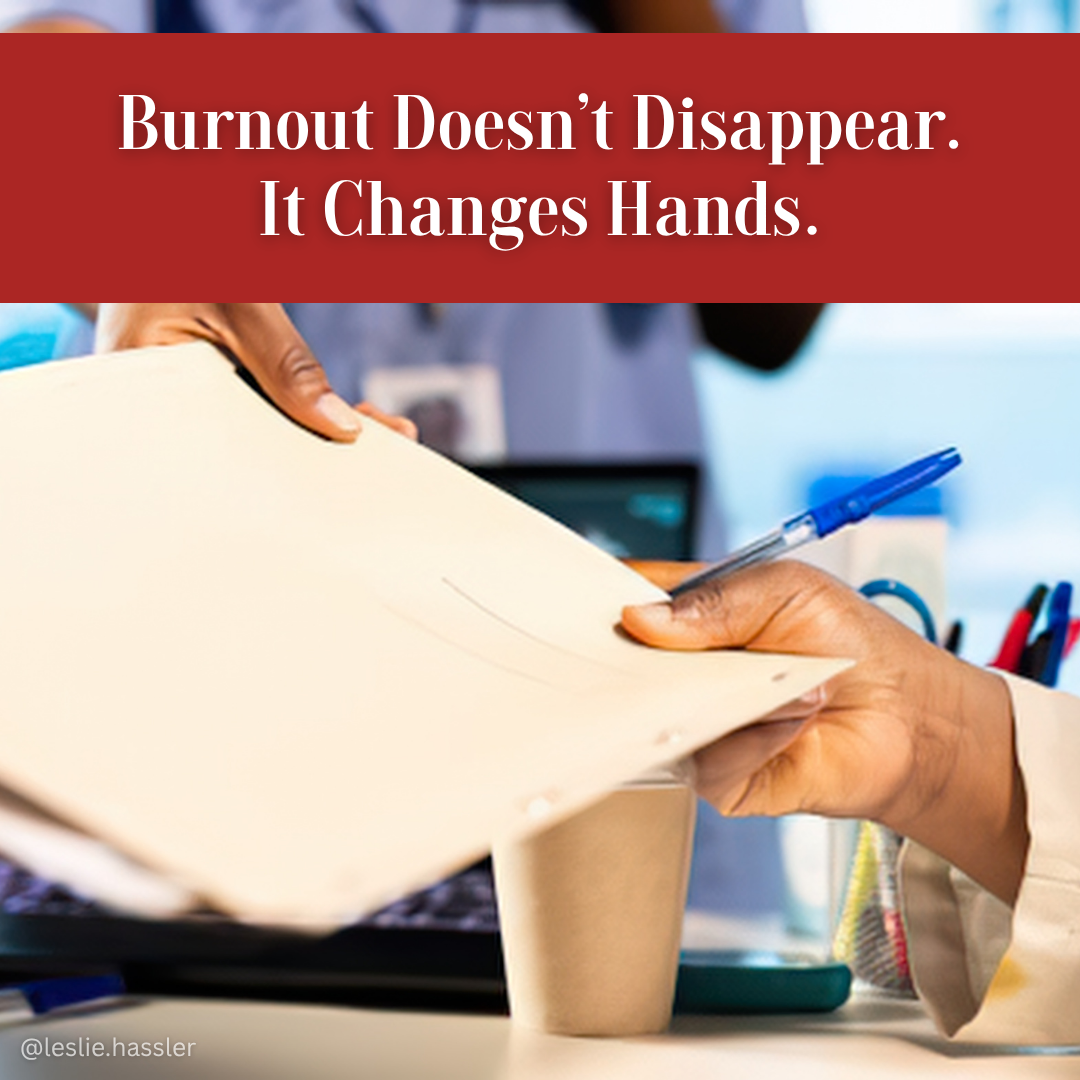
That's not a solution. It's a game of hot potato.
Moving the pressure from you to an employee, or from one employee to another, doesn't reduce the total amount of unsustainable work in your business. It simply changes who's carrying it and buys you a few weeks before the pressure lands somewhere else.
The person who absorbs it burns out over time, while whatever created the problem in the first place remains, waiting for the next deadline. The better question is why someone had to step in or work late in the first place, and how to find a solution to the actual problem.
When the Business Outgrows Its Structure
When the business had fewer clients, employees, and decisions to manage, one person could often handle several responsibilities without slowing the work down. A quick conversation and handoff were all that were needed.
As the business grows, the team may be managing more clients, projects, decisions, and handoffs than the existing roles and processes were designed to support. One employee may still be responsible for several areas, but more clients and projects can bring more questions, approvals, follow-up, and coordination into each responsibility. The added demands can leave less time for the employee to complete every part of the job during normal working hours.
The team may still be delivering strong results, but producing those results now takes more effort. Employees may ask you or a more experienced team member for direction when responsibilities are unclear. If no one knows who is responsible for a task or a deadline is getting close, another employee may have to take over part of the work.
When employees regularly need extra direction, extra hours, or help from coworkers to complete their responsibilities, the amount of work may not be the only issue.
You may be trying to manage the current workload with roles and processes that worked when the business was smaller.
Moving forward usually means clearer roles, more specialized experience, stronger systems, and a different level of leadership from you.
It may also mean facing hard questions about whether everyone on your current team fits where the business is headed.
Outgrown structure is one driver of burnout, but it's rarely the only one.

In our work with growing companies, burnout usually traces back to some combination of six things:
- Too much work with no built-in recovery time
- Disconnection from why the work matters
- Too little recognition for what's already getting done
- A broken process being treated as a discipline problem
- Too much time in work that drains people instead of work that draws on their strengths
- A habit of treating every deadline like an emergency
Each cause of burnout requires a different response. If employees have more work than they can reasonably complete, adding staff may help. If employees are losing time to a broken process, unclear responsibilities, work that does not fit their strengths, or constant emergencies, another hire will not solve the underlying problem.
Before you decide what to change, identify what is actually requiring your team to work longer, take on extra responsibilities, or keep stepping in for one another.
If the answer keeps pointing back to unclear roles, broken handoffs or work that still routes through you, that is an operations problem, and it's the work our fractional COO services are built for.
Is the Work Creating the Problem?
One place to look for unnecessary pressure is work employees cannot complete at the same time they are doing the job. They finish the client work, and then leave another step waiting for them later.
For one of our clients, we saw this with project expenses. The expenses had to be entered manually before they could be billed back to the customer. Employees were focused on serving clients and meeting deadlines, and they did that well. Once the client work was finished, they still had to go back and enter the related expenses.

The problem came when another client's deadline needed their attention first.
Employees moved on to the next priority, planning to enter the expenses afterward.
Then another request came in. Another deadline followed.
By the time employees had time to enter the expenses, some entries were late, and others had been forgotten completely.
At first, the missed expenses seemed like a follow-through problem. Maybe employees needed to remember the receipts, manage their time better, or get another reminder.
A closer look revealed that the employees were not forgetting. They were being asked to choose between entering an expense and responding to the next client priority. Reminding them to enter the expense did not change that choice.
The company changed the way expenses were recorded. Automation and AI allowed employees to record information closer to when the expense occurred, rather than relying on them to remember to enter it later.
Fewer charges were missed, and employees no longer had to keep track of expenses they still needed to enter. Nobody had to work harder or remember one more task. Changing the process removed work that had been creating unnecessary pressure.
What This Means for the Meeting Still Ahead
Go back to the meeting where someone offered to log back in after dinner. Accepting the offer solves today's problem. If the response stops there, though, you've simply made another well-intentioned handoff. The hot potato is still moving.
Ask why the employee needed to work after dinner in the first place. Where did the work slow down? Which decision was made too late? What information did the employee need earlier? Why does the same responsibility keep landing on the same person?
Use the answers to identify which of the six causes of burnout is showing up in your business: too much work, misalignment, missing recognition, a broken process being treated as a discipline problem, work that does not fit an employee’s strengths, or a culture that treats every deadline like an emergency.
Burnout takes a toll on your employees, but repeated burnout can also show you where roles, workloads, processes, or expectations need to change. Identifying the cause matters because each cause requires a different solution.
Keep an eye out for the next blog, where we'll look at what to build after you identify the cause of burnout, including the right hires, leadership and mindset shifts, and planned recovery that helps your team sustain strong performance.
The ideas from this two-part series were discussed with Damon Pistulka in greater depth on The Faces of Business Podcast. The episode covers changing team needs, difficult employee transitions, shared systems, hiring and onboarding, communication boundaries, low-power mode, and sustainable growth.
